PMI Certifications 2026: What’s New & How to Prepare
Advertisements

To effectively prepare for the evolving landscape of PMI Certifications in 2026, project professionals must focus on continuous learning, adapting to agile methodologies, and understanding the strategic shifts in global project demands.
Are you a project management professional looking to stay ahead in your career? The world of PMI Certifications 2026 is set to evolve, bringing new challenges and opportunities for those committed to excellence. Understanding these upcoming changes is crucial for maintaining your competitive edge and ensuring your skills remain relevant in a dynamic global market.
Understanding the Evolving Landscape of PMI Certifications
The Project Management Institute (PMI) consistently updates its certifications to reflect the latest trends, technologies, and best practices in project management. This proactive approach ensures that PMI certifications remain the gold standard, validating skills that are truly in demand. For 2026, we anticipate several strategic adjustments designed to align with the future of work and the increasing complexity of projects.
These evolutions are not merely cosmetic; they represent a deeper understanding of what it takes to lead successful projects in an era dominated by digital transformation, artificial intelligence, and remote work. Professionals must move beyond traditional project execution to embrace adaptive planning, stakeholder engagement, and value delivery as core competencies.
The Rationale Behind PMI Updates
PMI’s commitment to continuous improvement stems from extensive research into industry needs and feedback from certified professionals worldwide. They analyze global job market trends, emerging methodologies like Agile and Scrum, and the increasing emphasis on leadership and business acumen. This data-driven approach ensures that certifications like the PMP are not just theoretical but deeply practical and applicable.
- Industry Relevance: Ensuring certified professionals possess skills demanded by employers.
- Technological Integration: Incorporating knowledge of AI, data analytics, and automation in project workflows.
- Global Standards: Maintaining a universal benchmark for project management excellence.
- Adaptive Methodologies: Emphasizing flexibility and iterative approaches to project delivery.
In conclusion, staying informed about these changes is the first step towards a successful recertification or initial certification journey. The updates are designed to future-proof your career, making you a more versatile and valuable asset to any organization.
Key Anticipated Changes for PMP Certification in 2026
The Project Management Professional (PMP) certification is arguably PMI’s most recognized credential. For 2026, we foresee significant enhancements to its examination content and preparation resources, focusing on a more holistic view of project leadership. These changes will likely build upon the existing emphasis on people, process, and business environment domains, but with a sharpened focus on emerging areas.
Expect a greater integration of hybrid project approaches, which combine elements of agile and predictive methodologies. The exam will likely test candidates’ ability to discern when and how to apply different approaches based on project context, rather than adhering strictly to one paradigm. This reflects the reality that most complex projects today leverage a blend of techniques.
Enhanced Focus Areas
The PMP exam content outline (ECO) is the blueprint for the exam. Future iterations will likely expand on topics such as:
- Digital Transformation: Understanding how technology impacts project delivery and organizational change.
- Strategic Business Acumen: Linking project outcomes directly to organizational strategic objectives and value creation.
- Emotional Intelligence: The ability to manage self and relationships effectively within diverse project teams.
- Data-Driven Decision Making: Utilizing project data and analytics to inform decisions and predict outcomes.
The PMP will continue to validate a project manager’s competence in leading and directing projects and teams. However, the emphasis will shift further towards demonstrating leadership in ambiguous and rapidly changing environments. Candidates will need to showcase their problem-solving capabilities and adaptability.
Overall, the PMP certification in 2026 is expected to reinforce its position as a comprehensive credential for project leaders, demanding a broader skill set that extends beyond traditional project management tasks to encompass strategic thinking and organizational leadership.
Agile and Disciplined Agile Certifications: What to Expect
Agile methodologies have transformed how projects are delivered, and PMI has been at the forefront of recognizing this shift through its Agile Certified Practitioner (PMI-ACP) and Disciplined Agile (DA) certifications. For 2026, these certifications are poised for further refinement, reflecting the increasing adoption of agile at scale and the need for more tailored, context-specific approaches.
The focus will likely be on deepening understanding of various agile frameworks beyond Scrum, such as Kanban, Lean, and SAFe, and how to effectively integrate them within larger organizational structures. Disciplined Agile, with its toolkit approach, is particularly well-suited to address the need for flexibility.
Expanding the Disciplined Agile Toolkit
Disciplined Agile (DA) offers a process-decision toolkit that enables individuals and teams to choose their best-fit way of working. Future updates will undoubtedly enhance this toolkit, adding new strategies and guidance for navigating complex organizational challenges.
- Advanced DA Strategies: Deeper dives into optimizing value streams and organizational agility.
- Hybrid Implementations: More examples and guidance on blending DA with traditional project management.
- Leadership in Agile Environments: Emphasizing the role of leaders in fostering an agile culture.
The PMI-ACP will likely continue to validate a practitioner’s understanding of agile principles and practices, but with a stronger emphasis on practical application and problem-solving in real-world scenarios. Expect questions that test your ability to adapt agile practices to different team dynamics and project constraints.
In essence, agile and DA certifications in 2026 will demand more than just theoretical knowledge; they will require a demonstrated ability to implement, adapt, and lead agile transformations within diverse organizational contexts.
Strategic Preparation: Building Your Roadmap for 2026
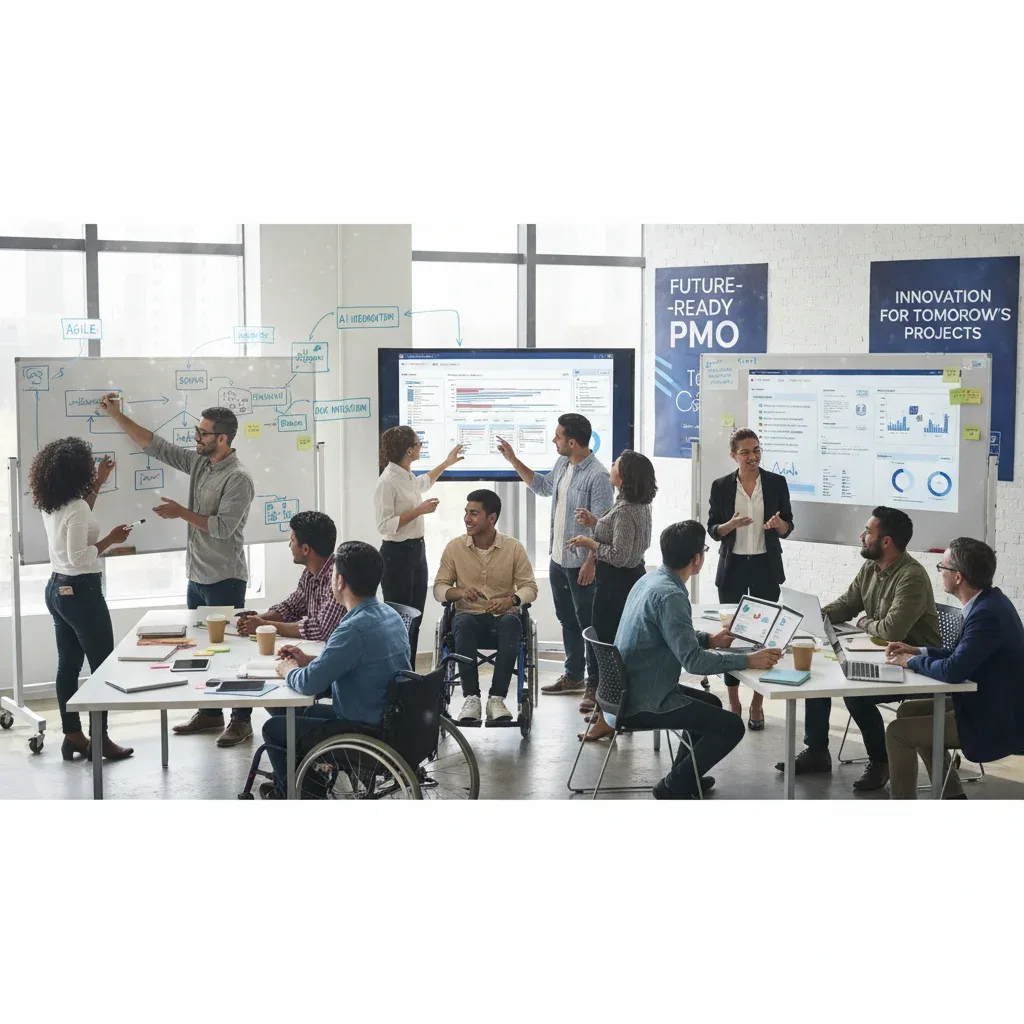
Preparing for the updated PMI Certifications 2026 requires a strategic and proactive approach. It’s not just about memorizing facts; it’s about internalizing new concepts and developing the practical skills that these certifications aim to validate. Start by thoroughly reviewing the current exam content outlines for your target certification and monitor PMI’s official announcements for any upcoming changes.
Consider your current strengths and weaknesses. Are you strong in agile but need to brush up on business acumen? Or perhaps you excel in traditional project planning but lack experience in digital transformation? A honest self-assessment will help you prioritize your learning efforts. This personalized approach ensures your study time is efficient and impactful.
Key Preparation Steps
- Stay Informed: Regularly check the PMI website for updates to exam content outlines and new resources.
- Continuous Learning: Engage in professional development activities, including webinars, workshops, and online courses.
- Practical Experience: Seek opportunities to apply new methodologies and tools in your current projects.
- Networking: Connect with other certified professionals to share insights and study tips.
- Utilize Official Resources: Leverage PMI’s study guides, practice exams, and authorized training partners.
Building a roadmap also means setting realistic timelines and milestones. Break down your preparation into manageable steps, dedicating specific time slots for studying, practicing, and reviewing. Remember, consistency is key to mastering complex topics and retaining information effectively.
Ultimately, strategic preparation involves more than just studying; it’s about cultivating a mindset of continuous improvement and adaptability, which are core tenets of modern project management.
Leveraging PMI Resources and Training Partners
PMI provides a wealth of resources designed to support professionals in their certification journey. These resources are often updated in anticipation of exam changes, making them indispensable for effective preparation. Official PMI study guides, practice exams, and online courses are meticulously crafted to align with the latest exam content outlines and provide accurate, authoritative information.
Beyond self-study materials, PMI’s network of Authorized Training Partners (ATPs) offers structured learning environments led by experienced instructors. These partners deliver courses that are pre-approved by PMI, ensuring the content is relevant and up-to-date. Engaging with an ATP can provide the discipline, structured learning, and expert guidance needed to navigate complex topics and prepare for the exam effectively.
Benefits of Official PMI Resources and ATPs
- Exam Alignment: Content directly correlates with the current and upcoming exam objectives.
- Expert Instruction: Learn from certified professionals with extensive industry experience.
- Structured Learning: Follow a clear curriculum designed for optimal knowledge retention.
- Networking Opportunities: Connect with peers and instructors, fostering a supportive learning community.
- Practice Exams: Access realistic practice questions to gauge your readiness and identify areas for improvement.
Many ATPs also offer blended learning options, combining online modules with instructor-led sessions, catering to various learning styles and schedules. This flexibility is crucial for working professionals who need to balance their studies with their professional responsibilities.
In summary, leveraging PMI’s official resources and engaging with authorized training partners significantly enhances your chances of success. These avenues provide not just knowledge, but also the confidence and strategic advantage needed to excel in your certification exams.
The Importance of Continuous Learning and Adaptability
In the rapidly evolving field of project management, achieving a certification is not the end, but rather a milestone in a journey of continuous learning. The updates to PMI Certifications 2026 underscore the necessity for professionals to remain adaptable and committed to lifelong learning. The project landscape is constantly reshaped by technological advancements, new methodologies, and global economic shifts.
Professionals who embrace continuous learning are better equipped to anticipate changes, adopt new tools, and lead their teams through uncertainty. This adaptability is a key differentiator in today’s job market, making you a more resilient and valuable asset to any organization. It’s about cultivating a growth mindset that views challenges as opportunities for skill development.
Strategies for Lifelong Learning
- Professional Development Units (PDUs): Actively earn PDUs through various activities to maintain your certifications.
- Read Industry Publications: Stay current with trends, research, and thought leadership in project management.
- Attend Conferences and Webinars: Engage with experts and peers to gain new perspectives and insights.
- Experiment with New Tools: Explore and adopt new project management software and collaboration platforms.
- Mentorship and Coaching: Seek guidance from experienced professionals and mentor aspiring project managers.
The ability to adapt is not just about learning new skills; it’s also about unlearning old habits that no longer serve current project needs. This involves being open to feedback, critically evaluating your own processes, and being willing to pivot when circumstances demand it.
Ultimately, continuous learning and adaptability are the cornerstones of a successful and sustainable career in project management. They ensure that your certifications remain relevant and that you continue to drive value in an ever-changing professional environment.
Beyond Certification: Applying Knowledge in Real-World Projects
While obtaining PMI Certifications 2026 is a significant achievement, the true value lies in the application of that knowledge to real-world projects. Certifications validate your understanding of best practices, but it’s your ability to translate theory into tangible results that truly defines your expertise as a project manager. The evolving nature of projects demands not just theoretical knowledge, but also practical wisdom and adaptability.
Focus on how the principles and methodologies learned through your certification preparation can solve actual problems, optimize processes, and deliver greater value to stakeholders. This practical application solidifies your learning and enhances your professional reputation. Seek opportunities to lead challenging projects, even if they push you out of your comfort zone, as these are often the best learning experiences.
Translating Theory into Practice
Consider how the concepts from your studies can be directly applied:
- Stakeholder Engagement: Actively involving key stakeholders from project inception to ensure alignment and buy-in.
- Risk Management: Proactively identifying, assessing, and mitigating risks using structured approaches.
- Agile Adaptability: Implementing iterative development and continuous feedback loops to respond to change.
- Performance Measurement: Utilizing key metrics to track progress, identify deviations, and make informed adjustments.
The journey of a project manager is one of continuous growth and refinement. Each project offers a unique opportunity to apply learned principles, test new strategies, and further develop your leadership capabilities. Don’t just aim to pass the exam; aim to become a more effective and impactful project leader.
In conclusion, while certifications open doors, it’s your real-world application of knowledge that builds a successful and rewarding career in project management. Embrace every opportunity to put your certified skills into action, driving project success and organizational value.
| Key Update Area | Brief Description |
|---|---|
| PMP Evolution | Enhanced focus on hybrid approaches, digital transformation, and strategic business acumen. |
| Agile & DA Expansion | Deeper integration of agile at scale, various frameworks, and the Disciplined Agile toolkit. |
| Preparation Strategy | Proactive self-assessment, continuous learning, and leveraging official PMI resources. |
| Continuous Learning | Emphasis on adaptability, lifelong learning, and practical application of certified knowledge. |
Frequently Asked Questions About PMI Certifications 2026
Why is PMI updating its certifications for 2026?▼PMI updates its certifications to align with the evolving demands of the global project management landscape, incorporating new technologies like AI, agile methodologies, and enhanced leadership skills. These updates ensure that certified professionals possess the most relevant and in-demand competencies for success in modern projects.
What are the major changes expected for the PMP exam?▼For the PMP exam in 2026, expect an increased focus on hybrid project approaches, digital transformation impacts, strategic business acumen, and emotional intelligence. The exam will likely test candidates’ ability to adapt different methodologies based on project context and deliver strategic value.
How can I best prepare for the new PMI Certification changes?▼Effective preparation involves staying informed via PMI’s official channels, engaging in continuous learning through webinars and courses, gaining practical experience in new methodologies, and utilizing official PMI study materials and Authorized Training Partners. A personalized study plan is also highly recommended.
Will my current PMI certification still be valid after 2026?▼Yes, existing PMI certifications remain valid. However, maintaining them requires earning Professional Development Units (PDUs) which often involve staying updated with industry trends and new practices. The updates for 2026 are designed to reflect current best practices, encouraging ongoing professional growth rather than invalidating prior achievements.
What role do agile and Disciplined Agile certifications play in the future?▼Agile and Disciplined Agile certifications are becoming increasingly crucial as projects demand more flexibility and adaptability. For 2026, these certifications will likely emphasize scaling agile frameworks, integrating various methodologies, and leadership in agile environments, reflecting their growing importance in diverse project contexts.
Conclusion
The anticipation of updates to PMI Certifications 2026 marks an exciting and necessary evolution in the project management profession. These changes are not just administrative adjustments; they are a direct response to the dynamic global business environment, emphasizing the critical need for project professionals to be adaptable, strategically minded, and technologically proficient. By proactively understanding these shifts, leveraging PMI’s comprehensive resources, and committing to continuous learning, professionals can ensure their skills remain at the forefront of the industry. Embracing this journey of growth will not only secure your certifications but also elevate your capacity to lead successful projects and drive meaningful organizational value in the years to come.