Work-Life Integration 2026: Peak Performance, No Burnout
Advertisements
Achieving effective work-life integration in 2026 allows professionals to seamlessly blend their personal and professional lives, leading to peak performance and significantly reduced burnout.
Are you ready to redefine your relationship with work? In an ever-evolving professional landscape, mastering work-life integration 2026 is not just a buzzword; it's the cornerstone for achieving peak performance without succumbing to burnout. This approach moves beyond the traditional 'balance' to create a harmonious synergy between your career and personal life.
Understanding the Shift from Work-Life Balance to Integration
The concept of work-life balance, while well-intentioned, often implies a constant tug-of-war, a zero-sum game where one aspect of life must inevitably suffer for the other to thrive. This traditional view suggests a rigid separation, an attempt to allocate distinct time blocks to work and personal life, often leading to feelings of guilt or inadequacy when boundaries blur. However, the reality of modern work, characterized by remote capabilities, global teams, and instant communication, has rendered this strict segregation increasingly impractical and, at times, counterproductive.
Work-life integration, particularly as we look towards 2026, offers a more fluid and realistic alternative. It acknowledges that our lives are not neatly compartmentalized but rather an intricate tapestry where professional and personal threads are interwoven. Instead of striving for equal halves, integration focuses on creating a cohesive whole, where work can naturally flow into personal time and vice-versa, without causing undue stress or diminishing productivity. This paradigm shift encourages individuals to design a lifestyle that supports both their career ambitions and personal well-being simultaneously.
The Evolution of Work Models
The past few years have accelerated the adoption of flexible work arrangements, pushing companies and individuals to rethink traditional office hours and locations. This evolution is a key driver behind the need for integration.
- Remote and Hybrid Work: The rise of remote and hybrid models has dissolved the physical barriers between home and office, making integration a practical necessity.
- Global Connectivity: Working with international teams often means adjusting schedules, further blurring conventional work hours.
- Technology's Role: Advances in technology allow for seamless transitions between tasks, whether professional or personal, from virtually anywhere.
Embracing work-life integration means recognizing that sometimes, personal appointments might occur during traditional work hours, just as professional tasks might extend into evenings or weekends. The goal is not to eliminate these overlaps but to manage them intentionally, ensuring that neither sphere consistently overshadows the other. This approach fosters a greater sense of autonomy and control over one's schedule, leading to increased job satisfaction and reduced stress.

Leveraging Technology for Seamless Integration in 2026
In 2026, technology is not just a tool for work; it's an enabler for a more integrated life. The strategic use of digital platforms and smart devices can bridge the gap between professional responsibilities and personal commitments, creating a more harmonious existence. This involves more than just having the latest gadgets; it's about intelligently deploying them to support your integrated lifestyle, ensuring that convenience doesn't morph into constant connectivity.
From advanced scheduling applications to communication tools that adapt to your preferences, the tech landscape offers unprecedented opportunities for customization. The key lies in selecting and configuring these tools to serve your specific needs, rather than letting them dictate your workflow or personal time. This proactive approach to technology management is crucial for preventing digital overload and maintaining clear boundaries, even within an integrated framework.
Smart Tools for Enhanced Productivity and Personal Time
The market is flooded with applications designed to streamline various aspects of our lives. Choosing the right ones can significantly impact your ability to integrate work and life effectively.
- Unified Calendars: Platforms that merge professional meetings, personal appointments, and family events into one view prevent scheduling conflicts and provide a holistic overview of your day.
- Communication Hubs: Tools that consolidate emails, messages, and project updates can reduce context-switching, but also require disciplined notification management.
- Automation Software: Automating repetitive tasks, both professional and personal (e.g., bill payments, data entry), frees up valuable time and mental energy.
Beyond these, wearable technology offers insights into health and well-being, prompting breaks or mindfulness exercises. Smart home devices can manage household chores, allowing for more focused work or leisure. The challenge is to use these technologies deliberately, setting clear boundaries for notifications and availability, and ensuring they support your integration goals rather than creating always-on pressure. By thoughtfully integrating technology, you can create a system that enhances both your professional output and personal fulfillment.
Cultivating Flexibility and Autonomy in Your Career Path
The foundation of successful work-life integration in 2026 rests heavily on the principles of flexibility and autonomy. As the traditional 9-to-5 workday becomes increasingly obsolete for many, the ability to shape your work environment and schedule according to your personal needs and peak productivity times is paramount. This doesn't mean an absence of responsibility; rather, it implies a trust-based relationship between employees and employers, where outcomes are prioritized over rigid timekeeping.
For individuals, cultivating flexibility means understanding your own energy cycles, identifying when you are most productive for certain tasks, and advocating for work arrangements that align with these insights. For organizations, it means designing policies that empower employees to make choices about where and when they work, within reasonable operational constraints. This mutual understanding fosters a more engaged, motivated, and ultimately, more productive workforce.
Designing Your Ideal Workday
Achieving autonomy requires intentional design. It's about proactively structuring your day, week, and even your career trajectory to fit your life, not the other way around.
- Time Blocking: Dedicate specific blocks of time for focused work, meetings, personal appointments, and even downtime.
- Asynchronous Communication: Embrace tools and practices that allow for communication without requiring immediate, synchronous responses, respecting varying schedules.
- Negotiating Terms: Don't shy away from discussing flexible hours, remote work options, or project-based work with your employer.
True autonomy also involves understanding your personal boundaries and communicating them clearly. It's about saying no to commitments that don't align with your integrated lifestyle, and yes to opportunities that enhance both your professional growth and personal well-being. This proactive approach to managing your career and personal life empowers you to maintain peak performance without feeling constantly overwhelmed or on the verge of burnout, creating a sustainable and fulfilling professional journey.
Prioritizing Well-being: The Cornerstone of Sustainable Integration
While technology and flexibility are critical enablers, the true success of work-life integration in 2026 hinges on a steadfast commitment to personal well-being. Without prioritizing physical, mental, and emotional health, even the most perfectly integrated schedule will eventually lead to exhaustion and burnout. This means viewing self-care not as a luxury or an afterthought, but as a non-negotiable component of your daily routine, essential for sustained peak performance and overall happiness.
Integrating well-being into your daily life requires intentional effort and often a re-evaluation of personal habits. It's about recognizing the early signs of stress and fatigue and having strategies in place to address them proactively. This holistic approach ensures that you have the energy, focus, and resilience needed to excel in your career while also enjoying a rich and fulfilling personal life.
Key Pillars of Well-being in an Integrated Life
A multi-faceted approach to well-being is most effective. It involves conscious choices across various aspects of your life.
- Physical Health: Regular exercise, nutritious eating, and adequate sleep are foundational. Schedule these just as you would important meetings.
- Mental Health: Practice mindfulness, meditation, or engage in hobbies that provide mental breaks and rejuvenation. Consider professional support when needed.
- Emotional Health: Nurture strong relationships, engage in activities that bring joy, and practice emotional intelligence to manage stress and conflict.
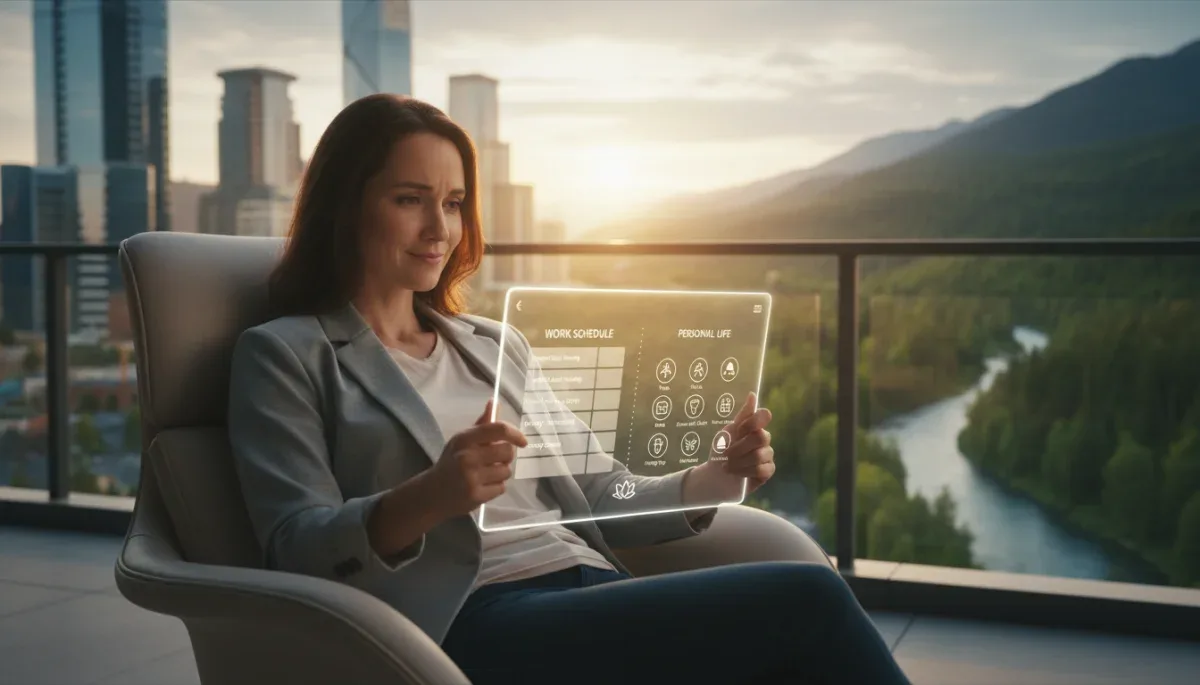
By making well-being a central tenet of your work-life integration strategy, you create a virtuous cycle. A healthier, happier you is a more productive and creative you, capable of handling challenges with greater ease and contributing more effectively to both your professional and personal spheres. This proactive investment in yourself is the ultimate strategy for preventing burnout and achieving long-term success.
Setting Boundaries and Managing Expectations for Integration
One of the most critical, yet often overlooked, aspects of successful work-life integration in 2026 is the establishment of clear boundaries and the effective management of expectations. While integration encourages fluidity, it does not imply a complete erasure of lines between work and personal life. Without intentional boundaries, the flexibility offered by integration can quickly devolve into an 'always-on' culture, leading to increased stress and eventual burnout, precisely what integration aims to prevent.
Setting boundaries involves defining your non-negotiables: times you are unavailable for work, days dedicated solely to personal pursuits, or specific digital detox periods. Managing expectations extends to both yourself and others – colleagues, clients, and family members. It's about communicating your availability and limitations clearly, ensuring that everyone understands how you operate within your integrated framework.
Practical Strategies for Boundary Setting
Effective boundary setting requires both internal discipline and external communication.
- Define Your 'Off' Times: Clearly designate periods when you are not working and stick to them. This might mean turning off work notifications or closing work applications.
- Communicate Availability: Inform your team and clients about your working hours and response times. Use out-of-office messages when appropriate.
- Create Physical Boundaries: If working from home, establish a dedicated workspace that you can 'leave' at the end of your workday.
Managing expectations also involves being realistic about what you can achieve. Avoid overcommitting, and learn to politely decline requests that infringe on your established boundaries. For family and friends, explain your integrated approach so they understand when you might be working outside traditional hours, but also when you are fully present for them. By proactively setting and enforcing these boundaries, you protect your personal time and energy, ensuring that integration truly enhances your life rather than consuming it.
Measuring Success and Adapting Your Integration Strategy
Work-life integration is not a static state but an ongoing process that requires continuous evaluation and adaptation. What works perfectly one year or even one quarter might need adjustments as your career evolves, personal circumstances change, or new technologies emerge. In 2026, the ability to measure the effectiveness of your integration strategy and make informed modifications is key to sustaining peak performance and preventing burnout over the long term.
Measuring success goes beyond just career achievements; it encompasses your overall sense of well-being, personal fulfillment, and the quality of your relationships. It requires a reflective approach, where you regularly check in with yourself to assess if your current integration model is truly serving your goals and values.
Key Metrics for Evaluating Integration
To effectively adapt, you need clear indicators of what's working and what isn't.
- Energy Levels: Are you consistently feeling energized or perpetually drained?
- Productivity vs. Burnout: Are you achieving your professional goals without feeling overwhelmed or constantly stressed?
- Personal Fulfillment: Are you dedicating enough time to hobbies, relationships, and self-care that bring you joy?
- Relationship Quality: Are your personal relationships thriving, or are they neglected due to work demands?
Regularly review your schedule, technology usage, and boundary effectiveness. If certain aspects are causing friction or stress, be prepared to experiment with new approaches. This might involve re-evaluating your tech stack, negotiating different work arrangements, or adjusting your personal commitments. The goal is to create a dynamic system that allows you to thrive in all aspects of your life, ensuring that your work-life integration strategy remains a powerful tool for sustainable success and well-being.
| Key Aspect | Brief Description |
|---|---|
| Integration vs. Balance | Moving from strict separation to a fluid blend of work and personal life. |
| Technology's Role | Utilizing smart tools to seamlessly manage tasks and communication, with boundaries. |
| Well-being Priority | Making physical, mental, and emotional health non-negotiable for sustained performance. |
| Boundary Setting | Crucial for preventing 'always-on' culture and protecting personal time. |
Frequently Asked Questions About Work-Life Integration
What is the main difference between work-life balance and work-life integration?▼Work-life balance suggests a strict separation and equal division of time between work and personal life. Work-life integration, conversely, advocates for blending these aspects fluidly, recognizing that they often overlap and can support each other, aiming for harmony rather than strict equality.
How can technology aid in effective work-life integration in 2026?▼Technology in 2026 offers advanced tools like unified calendars, smart communication platforms, and automation software. These help streamline tasks, manage schedules holistically, and facilitate flexible work arrangements, provided boundaries are set to prevent constant connectivity and digital overload.
Is it possible to achieve peak performance with work-life integration?▼Absolutely. By integrating work and life effectively, individuals can align their professional activities with their personal energy cycles and values. This leads to reduced stress, increased motivation, and better focus, ultimately fostering sustainable peak performance without the risk of burnout.
What role do boundaries play in work-life integration?▼Boundaries are crucial in work-life integration. While integration promotes fluidity, clear boundaries prevent the 'always-on' trap. They help define when you're available for work and when you're not, protecting personal time and mental space, which is vital for preventing burnout.
How can I start implementing work-life integration in my career?▼Begin by assessing your current work patterns and personal needs. Identify areas where flexibility can be introduced, leverage technology for efficiency, prioritize your well-being, and communicate your boundaries clearly to colleagues and family. Start with small changes and adapt as you go.
Conclusion
As we navigate the complexities of 2026, embracing work-life integration stands out as a powerful strategy for achieving sustainable career success and profound personal well-being. Moving beyond the rigid confines of traditional balance, integration offers a fluid, adaptable framework that empowers individuals to craft a life where professional ambition and personal fulfillment coexist harmoniously. By strategically leveraging technology, cultivating flexibility, prioritizing well-being, and establishing clear boundaries, you can not only prevent burnout but also unlock new levels of performance and satisfaction in every facet of your life. The future of work isn't about separating life from labor; it's about weaving them into a rich, cohesive whole.