Mastering virtual leadership: 5 skills for US managers post-2025
Advertisements

To thrive in the post-2025 landscape, US managers must master key virtual leadership skills, including fostering trust, enhancing communication, leveraging technology, promoting well-being, and driving results in distributed teams.
The landscape of work has irrevocably shifted, making virtual leadership skills indispensable for US managers navigating the post-2025 workforce. As remote and hybrid models become the norm, traditional management approaches often fall short. This article delves into the five critical skills every US manager must cultivate to lead effectively and ensure their teams not only survive but thrive in this evolving environment.
Building and maintaining trust in a virtual environment
Trust is the bedrock of any successful team, and its importance is amplified in virtual settings where spontaneous interactions are scarce. For US managers, building and maintaining trust remotely requires intentional effort and consistent practices. It’s about creating a psychological safety net where team members feel valued, heard, and supported, regardless of physical distance.
Establishing this foundation involves transparency, reliability, and genuine concern for team members’ professional and personal well-being. Managers must demonstrate their commitment to fairness and consistency in decision-making, ensuring that virtual team members do not feel overlooked or disadvantaged compared to their in-office counterparts.
Strategies for cultivating virtual trust
- Consistent communication: Regular check-ins and updates help bridge the distance, keeping everyone informed and connected.
- Delegation with empowerment: Granting autonomy and trusting team members with significant responsibilities fosters a sense of ownership and capability.
- Transparency in decisions: Openly sharing reasons behind decisions, especially those impacting the team, builds confidence and reduces speculation.
- Recognizing contributions: Publicly acknowledging achievements and efforts validates team members and reinforces their value to the organization.
Ultimately, trust in a virtual environment is not passively built; it is actively constructed through deliberate actions and a leadership style that prioritizes empathy and clear expectations. US managers who master this skill will find their teams more resilient, collaborative, and productive, even when spread across different locations and time zones.
Mastering asynchronous and synchronous communication
Effective communication is paramount in any leadership role, but in a virtual context, managers must become adept at both asynchronous and synchronous methods. This dual proficiency ensures that information flows efficiently, decisions are made promptly, and team members remain connected without being overwhelmed by constant real-time demands. The post-2025 workforce demands a nuanced understanding of when to use which method for optimal results.
Synchronous communication, such as video conferences and instant messaging, is crucial for urgent discussions, brainstorming, and fostering real-time connection. Asynchronous communication, including email, project management tools, and shared documents, allows for thoughtful responses, detailed documentation, and accommodates different time zones and work styles.
Optimizing virtual communication channels
- Clear expectations for response times: Define when immediate responses are needed versus when asynchronous communication is appropriate.
- Structured virtual meetings: Implement clear agendas, time limits, and designated facilitators to maximize productivity.
- Leveraging collaboration platforms: Utilize tools like Slack, Microsoft Teams, or Asana to centralize discussions and project updates.
- Regular feedback loops: Establish consistent channels for both formal and informal feedback to prevent misunderstandings and foster continuous improvement.
A manager who can seamlessly blend these communication styles ensures that their team feels informed, engaged, and understood. This adaptability in communication is a cornerstone of effective virtual leadership, preventing misinterpretations and fostering a cohesive team dynamic, critical for US managers leading diverse remote teams.
Leveraging technology for team collaboration and productivity
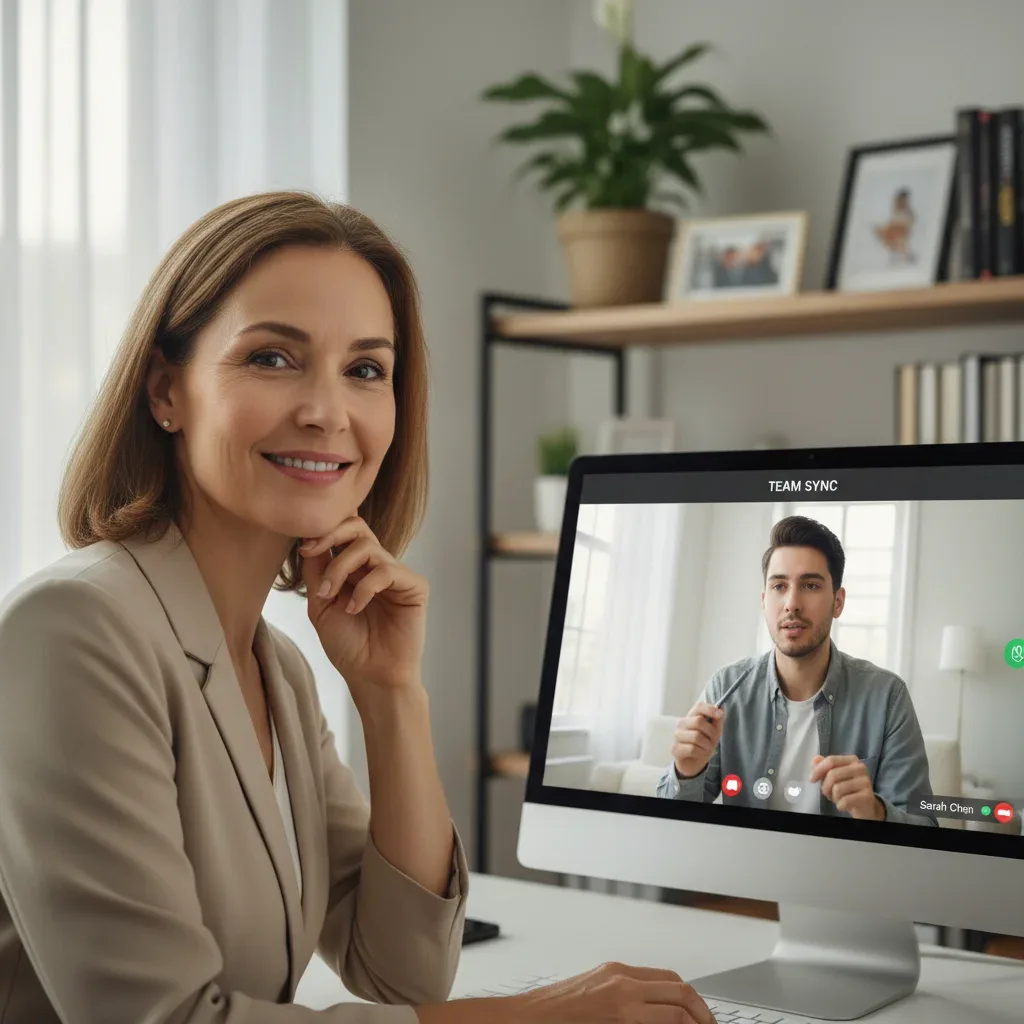
In the post-2025 virtual workplace, technology is not merely a tool; it is the infrastructure upon which successful remote teams are built. US managers must move beyond basic familiarity with collaboration tools and become strategic users, understanding how to harness technology to enhance team collaboration, streamline workflows, and ultimately boost productivity. This involves not only selecting the right tools but also implementing them effectively and ensuring team adoption.
The right technology stack can transform a disparate group of individuals into a high-performing virtual team. Managers need to identify solutions that support their team’s specific needs, whether it’s for project management, communication, file sharing, or virtual whiteboarding. Furthermore, they must champion the effective use of these tools, providing training and support to ensure everyone can leverage them to their full potential.
Key technological applications for virtual teams
- Project management software: Tools like Trello, Jira, or Monday.com help track progress, assign tasks, and ensure accountability.
- Video conferencing platforms: Zoom, Microsoft Teams, or Google Meet are essential for face-to-face interactions and team meetings.
- Document collaboration suites: Google Workspace or Microsoft 365 enable real-time co-authoring and seamless file sharing.
- Internal communication hubs: Slack or other instant messaging platforms facilitate quick questions, informal chats, and team announcements.
By thoughtfully integrating and maximizing the use of these technologies, US managers can create a virtual workspace that is as efficient and connected as any physical office. This strategic approach to technology is vital for maintaining momentum and achieving objectives in a distributed environment, paving the way for sustained success.
Prioritizing employee well-being and engagement remotely
The shift to remote work has brought numerous benefits, but it has also introduced new challenges related to employee well-being and engagement. US managers in the post-2025 workforce must proactively address these concerns, understanding that a healthy and engaged team is a productive team. This means moving beyond superficial gestures and implementing genuine strategies to support the mental, emotional, and physical health of their remote employees.
Isolation, burnout, and the blurring of work-life boundaries are common issues in virtual settings. Effective virtual leaders recognize these risks and actively work to mitigate them. They foster a culture where taking breaks, disconnecting after hours, and seeking support are encouraged, not frowned upon. Prioritizing well-being is not just a moral imperative; it’s a strategic move to retain talent and maintain high performance.
Strategies for remote well-being and engagement
- Regular mental health check-ins: Informal conversations about workload, stress levels, and personal challenges.
- Flexible work arrangements: Empowering employees to manage their schedules in a way that best suits their needs and enhances work-life balance.
- Virtual social events: Organizing informal online gatherings, virtual coffee breaks, or team-building activities to foster connection.
- Promoting professional development: Offering opportunities for learning and growth, showing investment in employees’ long-term careers.
By focusing on these aspects, US managers can cultivate a supportive and engaging virtual environment where employees feel valued, motivated, and less prone to burnout. This proactive approach to well-being is a distinguishing characteristic of successful virtual leadership and contributes significantly to overall team morale and retention.
Driving results and accountability in distributed teams
Ultimately, leadership is about achieving results, and this remains true, if not more challenging, in a virtual setting. US managers must develop robust strategies for driving results and ensuring accountability across distributed teams. This requires a clear definition of objectives, transparent performance metrics, and a proactive approach to monitoring progress without micromanaging. The post-2025 landscape demands a focus on outcomes rather than just activity.
Setting clear expectations from the outset is critical. Each team member needs to understand their role, responsibilities, and how their contributions align with broader organizational goals. Regular performance reviews, coupled with constructive feedback, help keep everyone on track. Moreover, managers must be prepared to address underperformance effectively, offering support and resources where needed, and making tough decisions when necessary.
Techniques for ensuring virtual accountability
- SMART goal setting: Ensuring goals are Specific, Measurable, Achievable, Relevant, and Time-bound.
- Regular progress reviews: Scheduled check-ins to discuss achievements, roadblocks, and adjust plans as needed.
- Transparent performance dashboards: Using shared tools to visualize team progress and individual contributions.
- Empowering ownership: Encouraging team members to take full responsibility for their tasks and projects, fostering a sense of autonomy.
By implementing these strategies, US managers can effectively drive results and maintain high levels of accountability within their distributed teams. This outcome-oriented approach, combined with trust and clear communication, forms the backbone of successful virtual leadership in the dynamic post-2025 business environment.
Adapting to cultural nuances and diversity in virtual teams
Leading a virtual team in the US often means managing individuals from diverse geographical locations, cultural backgrounds, and varying work experiences. Effective virtual leaders in the post-2025 era must possess a heightened awareness of cultural nuances and be skilled at fostering an inclusive environment that celebrates diversity. This goes beyond simply acknowledging differences; it means actively integrating diverse perspectives into team discussions and decision-making processes.
Cultural differences can manifest in communication styles, perceptions of time, approaches to conflict resolution, and expectations regarding hierarchy. A manager who understands these variations can prevent misunderstandings, build stronger relationships, and leverage the unique strengths that a diverse team brings. This adaptability is crucial for avoiding misinterpretations and ensuring that all team members feel respected and able to contribute fully.
Promoting diversity and inclusion in virtual settings
- Training on cultural sensitivity: Providing resources and workshops to help team members understand and appreciate different cultural norms.
- Inclusive meeting practices: Ensuring all voices are heard, perhaps by using specific prompts or rotating speaking order in virtual meetings.
- Celebrating cultural events: Acknowledging and celebrating diverse holidays or traditions to foster a sense of belonging.
- Mentorship and sponsorship programs: Creating opportunities for individuals from underrepresented groups to connect and grow within the organization.
By embracing and actively managing cultural diversity, US managers can unlock the full potential of their virtual teams. This inclusive approach not only enriches the team dynamic but also leads to more innovative solutions and a broader understanding of market needs, positioning the team for greater success in a globalized virtual landscape.
| Essential Skill | Description for Virtual Leadership |
|---|---|
| Building Trust | Critical for remote teams; requires transparency, reliability, and consistent support to foster psychological safety. |
| Communication Mastery | Adeptly using both asynchronous and synchronous methods to ensure clear, timely, and effective information exchange. |
| Tech Savvy | Strategic use of collaboration tools and platforms to enhance team productivity and workflow efficiency. |
| Well-being Focus | Proactively supporting mental and emotional health of remote employees to prevent burnout and boost engagement. |
Frequently asked questions about virtual leadership
What is the most crucial skill for virtual leaders post-2025?▼Building and maintaining trust is arguably the most crucial skill. In a virtual environment, trust underpins all other aspects of team functionality, from communication to collaboration, ensuring psychological safety and fostering a cohesive, productive team dynamic despite geographical distances.
How can managers ensure accountability in remote teams?▼Managers can ensure accountability by setting clear SMART goals, conducting regular progress reviews, utilizing transparent performance dashboards, and empowering team members with ownership over their tasks. This focus on outcomes rather than constant oversight fosters responsibility and drives results.
What role does technology play in effective virtual leadership?▼Technology is the backbone of virtual leadership. It enables seamless communication, project management, and collaboration. Managers must strategically leverage various tools to enhance productivity, streamline workflows, and ensure that remote teams remain connected and efficient, overcoming geographical barriers effectively.
How can virtual leaders support employee well-being?▼Virtual leaders support well-being through regular check-ins, promoting flexible work, organizing virtual social events, and encouraging professional development. Addressing isolation and burnout proactively fosters a supportive culture where employees feel valued, engaged, and able to maintain a healthy work-life balance.
Why is adapting to cultural nuances important for US virtual managers?▼Adapting to cultural nuances is vital because virtual teams often comprise diverse backgrounds. Understanding different communication styles and work ethics prevents misunderstandings, fosters an inclusive environment, and leverages diverse perspectives for innovative solutions, making the team more effective and resilient.
Conclusion
Mastering virtual leadership is no longer an optional skill but a fundamental requirement for US managers in the post-2025 workforce. The five essential skills discussed—building trust, mastering communication, leveraging technology, prioritizing well-being, and driving results—form a comprehensive framework for navigating the complexities of remote and hybrid environments. By consciously developing these capabilities, managers can foster highly engaged, productive, and resilient teams, ensuring sustained success and career growth in an increasingly distributed professional landscape.